

Short Answer
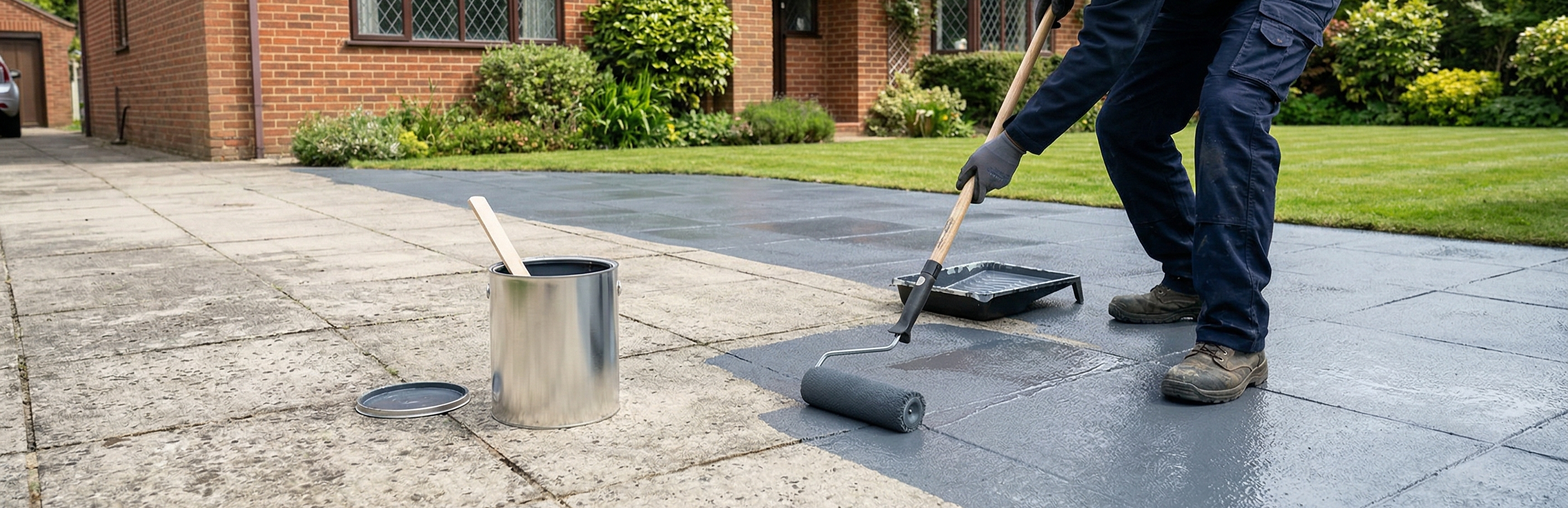
The best paint for exterior concrete tiles - whether they are on a patio, a walkway, or a driveway - is a high-performance water-based acrylic, such as our Everest - Ultimate QD Concrete Floor Paint and Sealer.
Explanation:
Concrete tiles are a popular choice for outdoor spaces because of their durability, but they are notoriously difficult to maintain. Unlike internal concrete, outdoor tiles are exposed to a brutal cycle of environmental stress. In the UK, this means battling heavy rain, freezing temperatures that cause frost heave, and intense UV rays that can turn standard paints brittle.
If you use a basic garage floor paint or a hard, solvent-based resin on outdoor concrete tiles, you are setting yourself up for failure. These materials are often too rigid and impermeable for the "living" nature of outdoor concrete. To protect your tiles and keep them looking fresh, you need a coating that is engineered to work with the elements, not against them. You need Water-Based Acrylic.
Here is why Water-Based Acrylic is the undisputed king of coatings for outdoor concrete tiles.
1. The Sunblock Effect (UV Stability)
The sun is one of the most destructive forces for any outdoor coating.
-
The Problem: Many industrial-grade paints are Aromatic. Under constant exposure to UV light, their chemical bonds break down. This causes the paint to lose its color (fading) and its structural integrity (chalking), eventually leading to a powdery surface that simply washes away in the rain.
-
The Acrylic Solution: Acrylic resin is naturally Aliphatic, making it completely UV stable. It doesn't just sit on the surface; it acts as a permanent shield. You can choose a bold, dark color for your concrete tiles, and it will remain vibrant and intact for years without yellowing or becoming brittle.
2. It Moves With the Season
Concrete tiles are constantly moving. As the temperature fluctuates, the tiles expand and contract.
-
The Problem: Hard resins like Epoxy act like a sheet of glass. They are incredibly strong but have zero give. When the concrete tile underneath expands in the summer sun, the rigid paint snaps. This creates hairline cracks that allow water to seep in, which then freezes and expands in winter, popping the paint off the tile.
-
The Acrylic Solution: Acrylic is Thermoplastic. It retains a permanent degree of flexibility even after it has fully cured. It acts like a high-tech rubber skin that stretches and retracts alongside the concrete. This flexibility is essential for preventing cracking and peeling caused by thermal expansion.
3. The Waterproof Effect (Breathability)
Concrete is a porous material that acts like a sponge, pulling moisture up from the damp ground in a process called capillary action.
-
The Problem: If you seal outdoor tiles with a thick, "plastic-wrap" coating that is impermeable, you trap that rising dampness. When the sun hits the tile, that trapped water turns into vapor and creates pressure. This pressure will eventually push the paint off the surface in large, unsightly blisters.
-
The Acrylic Solution: Water-based acrylics are Microporous. They are designed to allow the concrete to breathe. They prevent liquid rainwater from soaking into the tile from above, but they allow moisture vapor to escape from the ground below. This balance is the secret to preventing rising-moisture-related paint failures.
4. The User-Friendly Factor
You shouldn't have to deal with toxic fumes to get a professional finish on your garden path or driveway.
-
Eco-Friendly: Ultimate QD is low odor and low VOC. It is much safer for use around garden plants, pets, and neighbors compared to solvent-based alternatives.
-
Fast Drying: You can usually touch-dry in about an hour and recoat in 2–4 hours. This means you can easily apply two coats in a single afternoon window of good weather.
-
Easy Cleanup: There is no need for harsh chemicals or thinners. All your application tools can be cleaned quickly with just warm, soapy water.
The Limitations
While Water-Based Acrylic is the hero for concrete tiles, it is important to understand its boundaries.
-
Standing Water: Acrylics are highly water-resistant, but they are not designed for constant submersion. If your patio has "ponding" issues where puddles sit for several days at a time, the paint in those specific areas may eventually soften and lift.
-
The Preparation Rule: Like any coating, acrylic needs a clean, porous surface to bond to. If your concrete tiles are currently covered in moss, oil, or an old peeling sealer, these must be removed first to allow the paint to "anchor" into the concrete.
Conclusion
Indoor paints are designed to be hard and static; outdoor paints must be resilient and adaptable. For a finish that keeps its color in the sun, flexes with the frost, and lets the concrete breathe, water-based acrylic is the only logical choice.
-
UV Stable
-
Flexible
-
Breathable
Ready to give your outdoor tiles a long-lasting transformation?
→ Shop our Everest - Ultimate QD Concrete Floor Paint and Sealer
Share:
Best Paint for Natural Stone Tiles? Why Water-Based Acrylic is the Only Choice