
Guides and Posts
Of Products
Help Categories
Helpful Staff
Search by tile type, material, or problem...
Find Your Roof Preparation Guide
Roofs are fragile environments. Using a high-pressure lance on an asbestos roof is illegal and dangerous, while using the wrong chemicals on terracotta can ruin the finish. Use the search bar below to find the specific cleaning and priming method for your roof type.

- 0 comments
- by Sam Marriott
Restoring Delaminated Slate: Should You Clean or Replace?

- 0 comments
- by Sam Marriott
Repairing Mortar Verges and Ridges Before Coating
- 0 comments
- by Sam Marriott
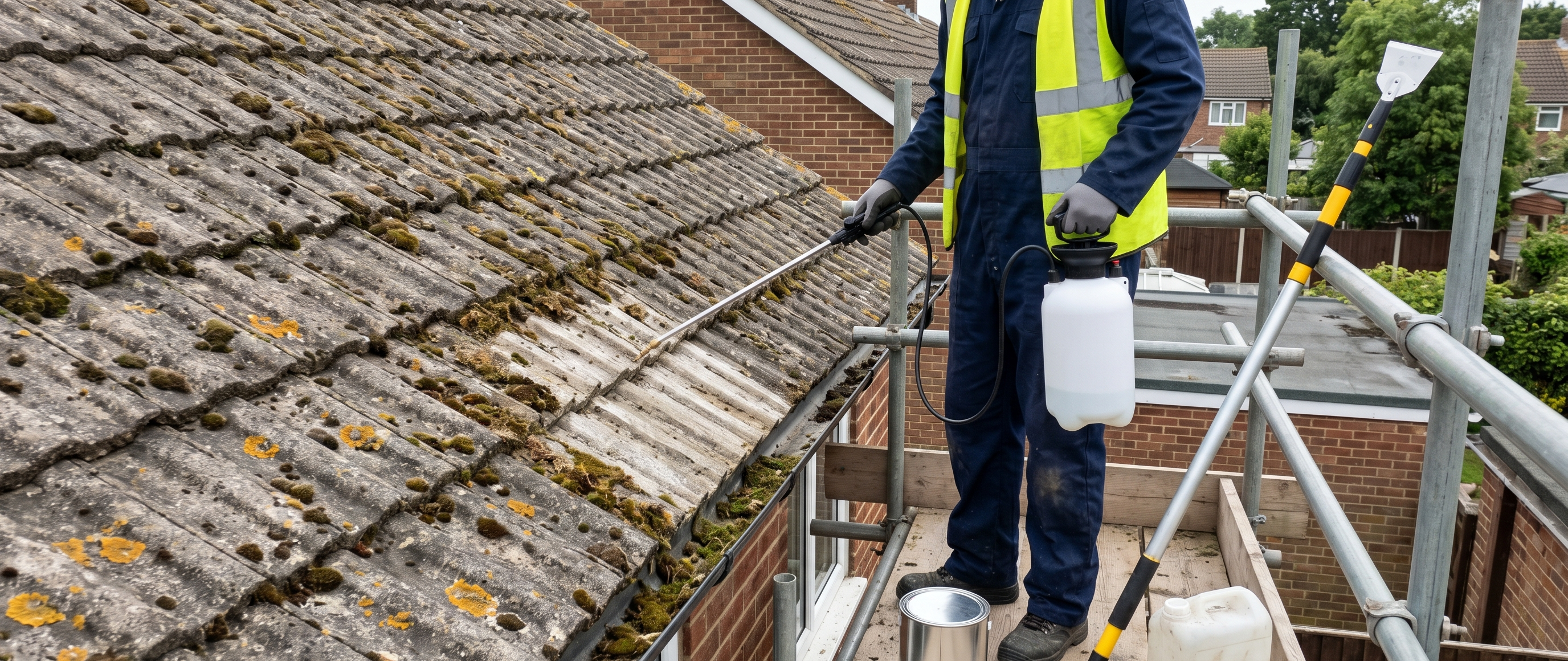
Removing Moss and Lichen: Why You Should Never Pressure Wash Old Tiles
- 0 comments
- by Sam Marriott
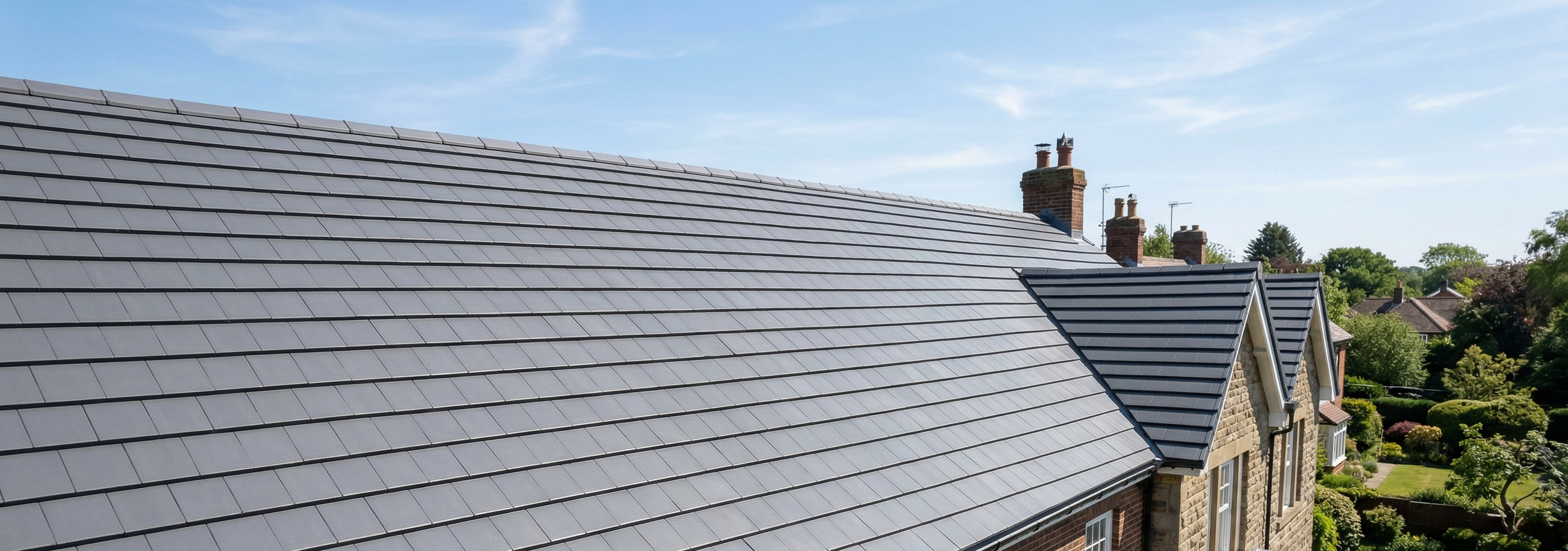
Priming Porous Roof Tiles: Stopping the "Sponge Effect"
No guides found matching your search.
Try a different keyword.
Moss Removal & Fungicides
Concrete Roof Tile Preparation
Concrete tiles are porous and act as a magnet for moss. Before painting or sealing, you must remove all organic growth. This section covers the debate between Scraping vs. Pressure Washing, the importance of applying a biocide to kill spores in the overlap, and how to replace broken tiles before coating.
- 0 comments
- by Sam Marriott
Repairing Mortar Verges and Ridges Before Coating
- 0 comments
- by Sam Marriott
Removing Moss and Lichen: Why You Should Never Pressure Wash Old Tiles
- 0 comments
- by Sam Marriott
Priming Porous Roof Tiles: Stopping the "Sponge Effect"
Rust, Cut-Edge & Plastisol
Metal Roof Preparation
Metal roofs suffer from thermal movement and rust. Preparation involves treating "Cut Edge Corrosion" (where the sheet overlaps rust), removing chalky oxidised paint from Plastisol sheets, and ensuring fixings (screw heads) are sealed.
Safety, Biocides & Encapsulation
Asbestos & Fibre Cement Roofs
WARNING: Never pressure wash a roof that may contain asbestos. It releases hazardous fibres. Preparation for these roofs is strictly chemical. We guide you through the "Soak & Wait" biocide method to kill moss safely, and how to stabilize the powdery surface before applying an encapsulation coating.
Delicate Cleaning & Sealing
Slate & Terracotta Roof Preparation
Natural slate and clay tiles are fragile. High pressure can delaminate slate or shatter clay. Preparation focuses on "Soft Washing"—using gentle chemical cleaners to remove lichen and atmospheric dirt—and repairing "slipped" slates before applying a clear, breathable impregnating sealer.
- 0 comments
- by Sam Marriott
Restoring Delaminated Slate: Should You Clean or Replace?
Expert advice to avoid leaks, damage, and injury.
Common Questions: Roof Preparation
Roof preparation is high-risk work. The method you use for a standard concrete tile roof would destroy a slate roof or release dangerous fibres from an asbestos roof. The most common mistake we see is skipping the Biocide stage—washing the visible moss away but leaving the invisible spores in the pores, which causes the new coating to fail within months.
Concrete Tile Prep
Concrete tiles (like Marley or Redland) are robust but extremely porous. They act like a hard sponge, holding onto moisture and moss spores deep inside the "pits" of the concrete. Preparation involves aggressive mechanical cleaning to remove the bulk growth, followed by a chemical sterilisation to ensure the new coating bonds to the tile, not to invisible dust or spores.
Can I pressure wash concrete tiles?
Yes, but technique is critical. You must use a turbo nozzle and wash down the roof (with the lap of the tile) to stop water driving up into the loft. Never aim the lance upwards.
Why do I need a biocide if I've pressure washed?
Pressure washing only removes the visible moss. The roots remain alive in the pores. A biocide soaks in and kills these roots. If you skip this, the moss will grow back under your paint within months.
Do I need to re-point the ridge tiles?
Yes. If the mortar is crumbling, power washing will blow it out completely. You should re-point any loose ridges or verges after washing but before painting to ensure a sealed, uniform finish.
How dry must the roof be before painting?
Bone dry. Concrete holds water. We recommend waiting at least 24-48 hours of dry weather after cleaning before applying any coating.
Metal Sheet Roofing Prep
Metal roofs face two main enemies: Rust and Movement. Because metal expands and contracts in the sun, old coatings often crack, and edges begin to corrode. Preparation is about stabilising the surface. You must remove chalky oxidation from Plastisol sheets and treat rust spots with zinc-rich primers to prevent them from bleeding through your new topcoat.
What is "Cut Edge Corrosion"?
This is when the factory coating peels back from the bottom edge of the sheet, exposing the steel core to rain. You must grind this loose rust back to a sound surface and spot-prime it before coating the whole roof.
My roof paint is "chalky" and powdery. What do I do?
This is oxidised paint resin. You cannot paint over it. You must pressure wash the roof until the water runs clear and no powder rubs off on your hand.
Can I paint over rust?
No. You can paint over sound rusted metal (stained but hard), but you cannot paint over flaking rust. Use a wire brush or angle grinder to remove the loose flakes first.
How do I seal leaking screw heads?
The rubber washers on old screws often perish. Tighten them slightly (careful not to strip the thread) and apply a dollop of "Brushable Sealer" or a focused coat of high-build roof paint over each fixing.
Asbestos & Fibre Cement
WARNING: Safety First. Fibre cement and asbestos roofs become brittle and porous with age. The surface often "powders," making paint adhesion difficult. The golden rule is: Do not disturb the fibres. Never pressure wash, sand, or dry-scrape these roofs. All preparation must be done using wet methods and chemical cleaners to suppress dust.
Can I pressure wash an asbestos roof?
Absolutely not. It is illegal and dangerous. High pressure releases deadly asbestos fibres into the air. You must use a "Soft Wash" method (Biocide spray) and a hosepipe for rinsing.
How do I clean moss off without scraping?
Saturate the moss with a strong biocide. Leave it to die and turn brown (usually 1-2 weeks). The dead moss will naturally degrade or can be gently brushed off with a soft broom while wet.
The surface is crumbling/powdery. Can I paint it?
You need to stabilise it first. After cleaning, apply a generic "Stabilising Solution" or a thinned first coat of your roof paint to bind the dusty surface together before applying the full topcoat.
How do I fix a crack in the sheet?
Do not try to replace the sheet if you can avoid it. Clean the area chemically, then use a specialised Butyl Fleece Tape or a fibre-reinforced repair paint to bridge the crack safely.
Slate & Terracotta Prep
Natural materials like Slate and Clay (Terracotta) require a delicate touch. They are often chosen for their aesthetic appeal, so preparation usually focuses on cleaning rather than coating with a solid colour. These materials are brittle; walking on them or blasting them with high pressure can cause expensive damage (cracked tiles and delamination).
Can I paint my clay tiles?
We generally advise against painting clay tiles with a solid colour paint. The glazed surface rejects paint, leading to peeling. Instead, clean them and use a Clear Impregnating Sealer.
How do I remove white lichen spots?
These "spots" dig into the slate. Pressure washing often damages the slate before it shifts the lichen. The best method is a chemical "Soft Wash" with a Sodium Hypochlorite-based cleaner, which bleaches the spot and kills the root instantly.
What happens if I pressure wash slate?
You risk "delamination." Slate is made of layers. High-pressure water can force these layers apart, causing the slate to flake and thin out, reducing its lifespan.
How do I repair a "slipped" slate?
Usually, the nail has rusted through. You can use a "tingle" (a strip of lead or copper) to hook the slate back into place without needing to strip the whole roof section.

The Help & Technical Hub
Our coatings are backed by more than just performance — they’re supported by clear documentation, practical guides, and real technical support.
The Help & Technical Hub brings together preparation guides, application advice, FAQs, SDS & TDS downloads, and system recommendations to help you choose, apply, and maintain the right coating with confidence.